Artificial intelligence is reshaping how work is performed, how decisions are made, and how value is created. From automation of routine tasks to augmentation of complex analysis, AI is rapidly becoming a core capability across industries.
However, this transformation carries a critical risk: exclusion. If access to AI education and tools is limited to already advantaged groups, the benefits of this technological shift will be unevenly distributed, reinforcing existing inequalities.
Inclusive AI education is therefore not just a social priority—it is an economic one. Diverse participation in AI-driven sectors leads to broader innovation, better outcomes, and more resilient systems.
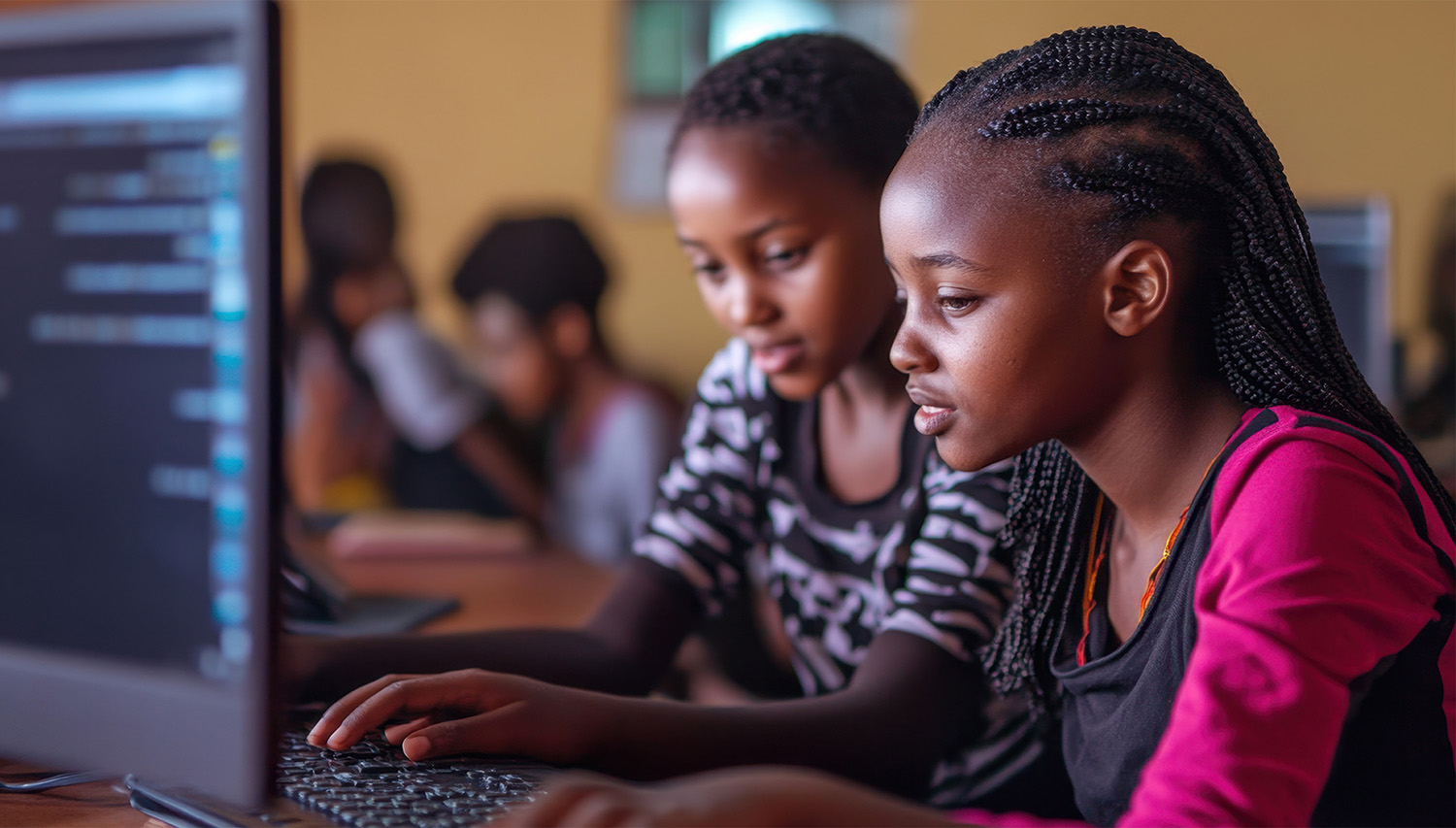
At Hikima Academy, we focus on practical AI literacy. Learners are introduced to real-world applications of AI, from productivity tools to data-driven insights. Equally important, we emphasize ethical considerations—bias, transparency, and responsible use.
For many learners, the first step is demystification. AI can seem abstract or inaccessible. By grounding it in everyday use cases, we make it tangible and relevant.
Employers also have a role to play. Building inclusive talent pipelines requires intentional outreach, training partnerships, and a willingness to invest in non-traditional candidates.
The future of work is being shaped now. The question is not whether AI will transform industries—it already is. The question is who will be included in that transformation.
By expanding access to AI education today, we ensure that the future economy is not only innovative, but inclusive.