In today’s economy, digital capability has become as fundamental as reading and writing.
Accessing jobs, government services, healthcare, education, and financial tools increasingly requires a baseline level of digital fluency. Yet for many individuals—particularly those in underserved communities—this foundation is still out of reach.
This is not a marginal gap; it is a structural one. Individuals without digital skills face compounding disadvantages: limited job opportunities, reduced access to services, and heightened vulnerability to misinformation and fraud. Over time, this translates into entrenched inequality.
Digital literacy today extends beyond basic computer use. It includes the ability to navigate online systems, evaluate information, protect personal data, and communicate effectively in digital environments. It is about confidence as much as competence.
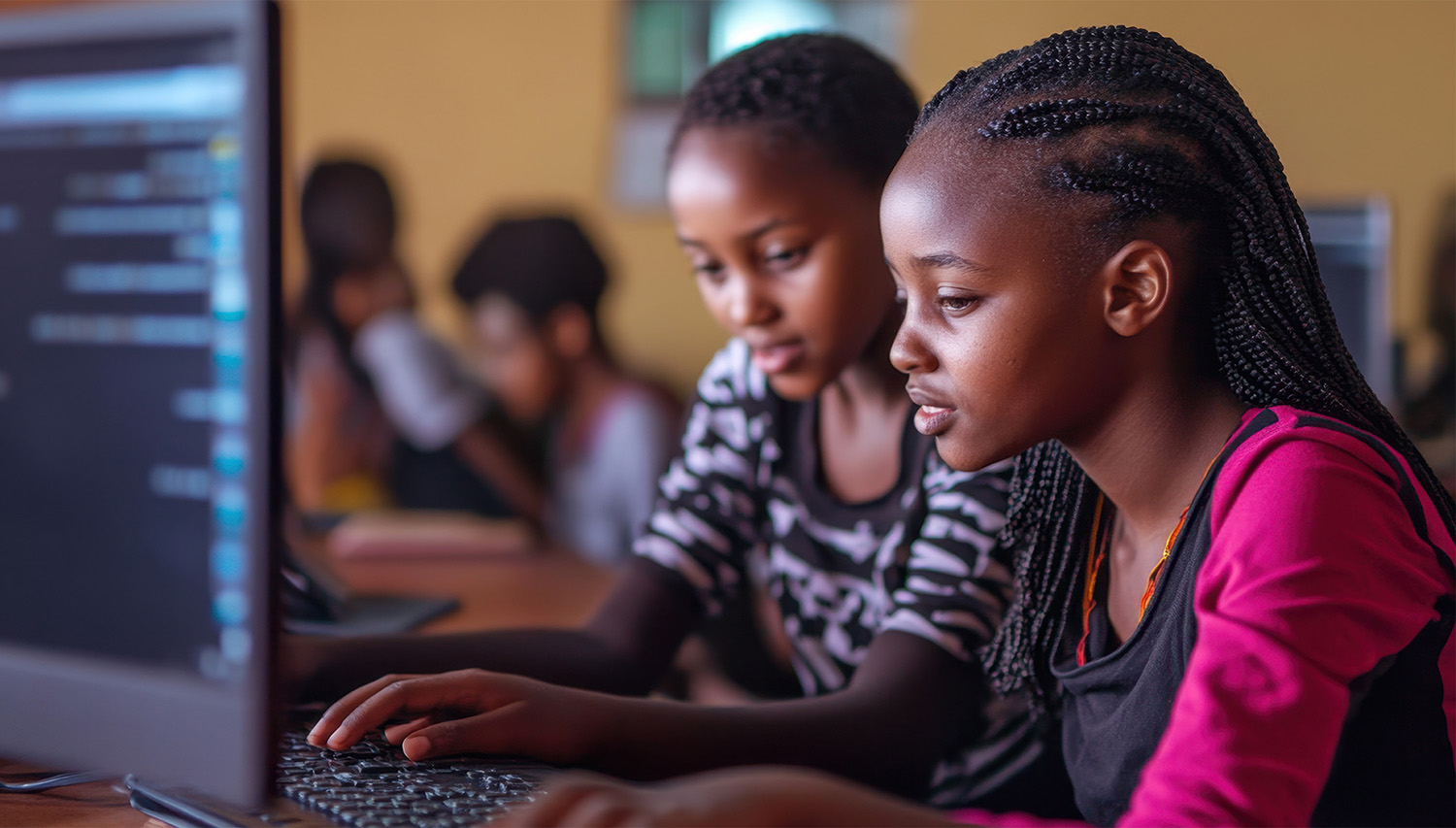
At Hikima Academy, we approach digital literacy as a gateway capability—one that unlocks access to higher-order skills in cybersecurity, artificial intelligence, and professional development. Our programs are designed to meet learners where they are, providing practical, hands-on instruction that is immediately applicable to real life.
Importantly, closing the digital divide requires more than curriculum. It requires accessible delivery models, trusted community partnerships, and an understanding of the lived realities of learners. Devices, connectivity, language, and confidence all matter.

The strategic implication is clear: organizations that invest in digital literacy are not just delivering training—they are enabling participation in the modern economy. For policymakers, employers, and community leaders, digital literacy should be treated as essential infrastructure.
The path forward is not simply to teach technology, but to democratize access to it. When individuals gain digital skills, they gain agency. And with agency comes opportunity.